
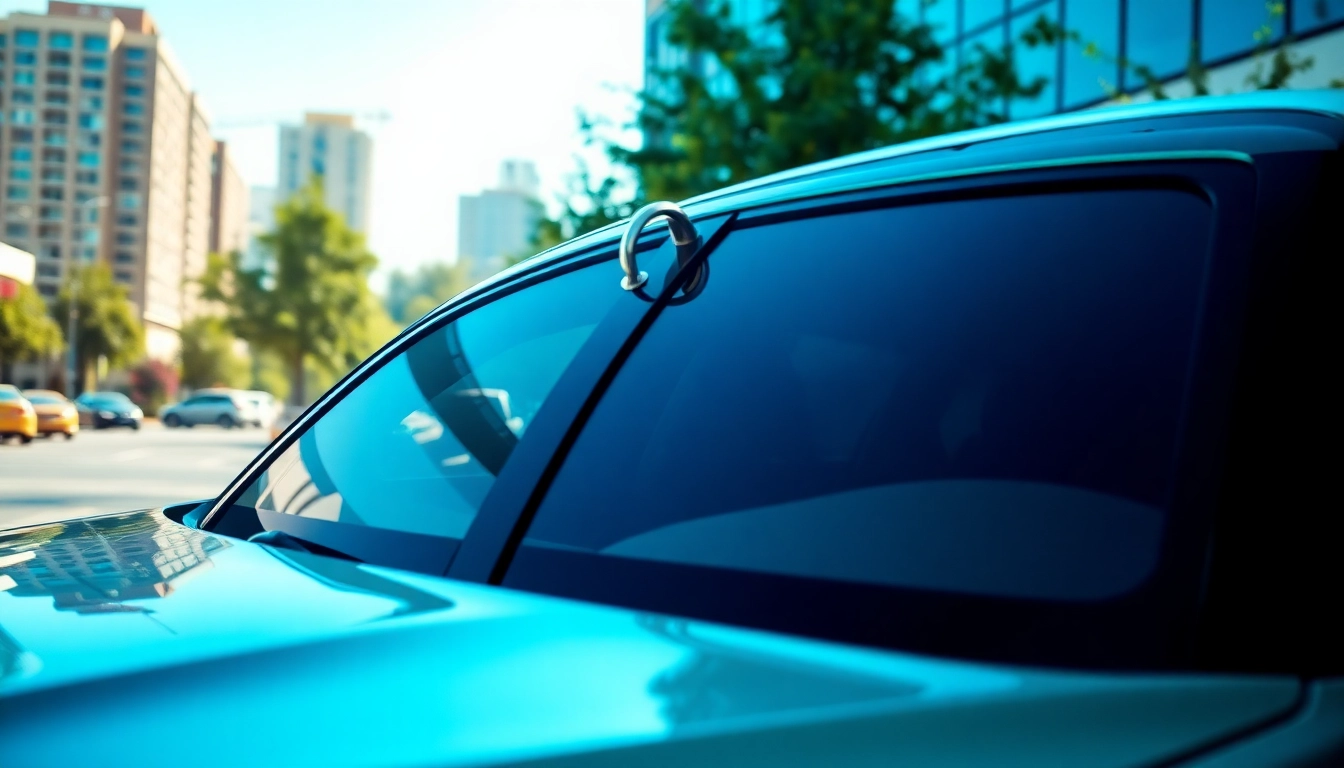
Understanding the Benefits of Window Tint Near Me
Window tinting is more than just an aesthetic choice; it offers a variety of advantages that enhance the comfort and safety of your vehicle. If you’re searching for window tint near me, it’s essential to comprehend the numerous benefits that window films provide. From heat reduction and UV protection to increased privacy and security, let’s explore how window tinting can improve your driving experience.
Heat Reduction and Comfort
One of the primary reasons many vehicle owners opt for window tinting is to reduce heat inside their vehicles. This is particularly beneficial in warmer climates where temperatures can soar. By implementing window films, you can experience:
- Up to 80% heat reduction: Quality window tints can block a significant percentage of the sun’s heat, ensuring a cooler cabin environment.
- Improved air conditioning efficiency: With reduced heat load, your air conditioning system doesn’t have to work as hard, leading to less fuel consumption and lower energy costs.
- Enhanced overall comfort: A cooler interior contributes to a more pleasant driving experience, even on the hottest days.
UV Protection for Your Skin and Interior
UV rays can be harmful, leading to skin damage and fading of your vehicle’s interior. Window tinting helps address these concerns by:
- Blocking up to 99% of UV rays: High-quality tint films are specifically designed to block out harmful UV radiation that can cause skin cancer.
- Preserving your interior: UV rays contribute to materials like leather and fabric deteriorating over time. Tinted windows can help maintain their color and integrity, extending the life of your investment.
Enhanced Privacy and Security
Privacy is a significant concern for many drivers, especially for families or those looking to safeguard their belongings. Window tinting provides:
- Increased privacy: Tinted windows obscure the view into your vehicle, protecting personal items and giving you peace of mind.
- Enhanced security: Films can add a layer of shatter resistance to your windows, making it more difficult for potential intruders to break in.
Choosing the Right Type of Window Tint
When it comes to selecting window tint, understanding the different types available is crucial. Your decision should be influenced by your needs, local regulations, and the expertise of the installation team.
Film Variations Explained
There are several types of window films, and each type has distinct characteristics:
- Dyed Window Films: These films are cost-effective and provide modest heat and UV protection. They absorb sunlight and reduce glare but offer limited durability.
- Metalized Window Films: Containing metallic particles, these films reflect heat away and provide enhanced security. However, they can interfere with electronic signals.
- Carbon Window Films: These films are known for their excellent heat blocking capabilities and do not fade over time. They also have aesthetic benefits, giving a sleek look to your vehicle.
- Ceramic Window Films: Offering the highest level of heat rejection without interfering with GPS, Bluetooth, or cell phone signals, these films come at a higher price but deliver exceptional performance.
Legal Considerations for Window Tinting
Before moving forward with window tinting, it’s vital to understand local regulations regarding tint darkness and reflectivity. Each state has its own laws, and violating them can result in fines and the requirement to remove the tint. Familiarize yourself with:
- Visible Light Transmission (VLT): The percentage of light that is allowed to pass through your windows. Each state has varying allowances.
- Reflectivity Levels: Some states allow a certain level of reflectivity on front windows while banning it on others.
- Exemptions: Vehicles like limousines may have different regulations.
How to Choose a Certified Installer
Selecting an experienced and certified installer is critical to achieving the best results. Consider these factors:
- Consultations: A reputable installer will provide consultations to understand your needs, present options, and discuss legalities.
- Reviews and References: Look for reviews online or ask for references from previous customers to gauge the quality of service.
- Warranty Information: A solid warranty indicates confidence in the product and installation. Ensure to inquire about warranty details before committing.
Installation Process for Window Tint Near Me
The installation process can vary depending on the type of film chosen and the expertise of the installer. However, there are general steps that you can expect during installation.
Preparation for a Professional Install
Before installation occurs, prepare your vehicle by:
- Cleaning the windows thoroughly to eliminate any dirt or contaminants that may hinder adhesion.
- Removing any items from your vehicle’s interior that may obstruct visibility or accessibility.
- Ensuring the installation environment is ideal, free from dust and debris.
What to Expect During Installation
The installation process generally involves:
- Cutting the Film: Technicians will measure the windows and cut the film to fit precisely.
- Applying the Film: The film is applied using water and a solution to ensure proper adhesion. Technicians will smooth out air bubbles to avoid imperfections.
- Trimming Edges: Once applied, excess film is trimmed off for a neat finish.
Post-Installation Care and Maintenance
After installation, proper care is essential for longevity:
- Avoid rolling down your windows for at least 48 hours to allow the film to adhere properly.
- Ensure to use a soft cloth for cleaning and avoid ammonia-based solutions that can damage the tint.
- Regular inspections can identify any issues early, ensuring the durability of your investment.
Common Mistakes to Avoid When Using Window Tint
While window tinting can enhance your vehicle, several pitfalls can affect your experience. Awareness of these can lead to better decisions.
DIY Tinting vs Professional Services
Many DIY kits are available in the market, but quality and effectiveness often lag behind professional installations. Mistakes made during the DIY process can lead to bubbling, peeling, and misalignment.
Ignoring Local Tinting Regulations
As mentioned earlier, regulations vary by location. Ignoring these laws can lead to fines. Always check local rules before proceeding with installation.
Neglecting to Choose Quality Films
Buying the cheapest tint can be tempting, but low-quality films can fade, bubble, and fail to provide adequate protection. Investing in higher-quality films can lead to long-term savings.
Frequently Asked Questions about Window Tint Near Me
How long does the window tint installation take?
The installation typically takes 2-4 hours, depending on the number of windows and the type of film chosen. Always consult your installer for an accurate estimate.
Is window tinting legal in my area?
Window tinting laws vary by state. Check local regulations to ensure compliance before proceeding with installation for your vehicle.
Can window tint improve energy efficiency?
Yes, window tint can improve energy efficiency by reducing heat inside your vehicle, leading to lower air conditioning costs and better fuel efficiency.
What is the average lifespan of window tint?
High-quality window tints can last anywhere from 5 to 15 years, depending on the type of film used and how well it is maintained.
Does window tint scratch easily?
While window tint films are generally resistant to scratching, they can still be damaged by abrasive materials. Proper care and maintaining soft cleaning tools can help minimize scratches.