
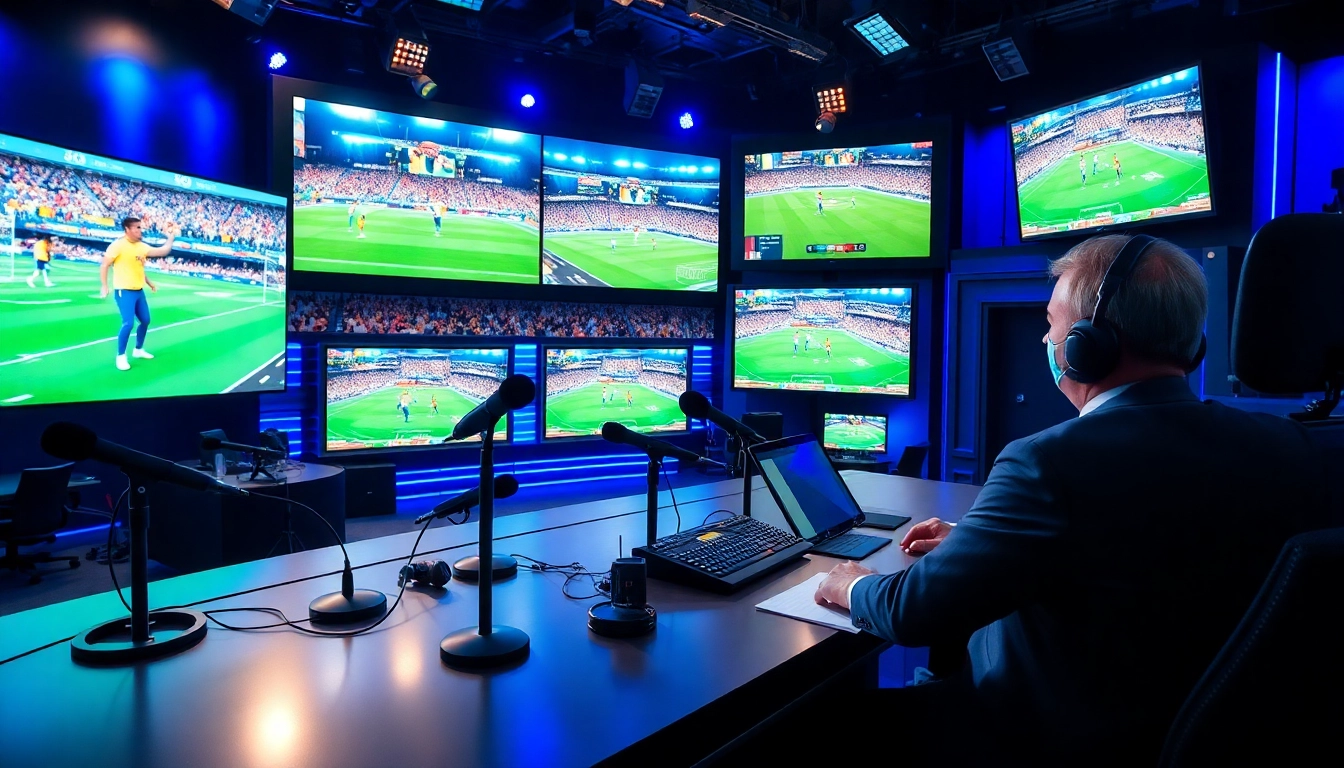
Understanding Sports Broadcasting
Sports broadcasting has evolved significantly over the years, serving as a cornerstone of how fans engage with their favorite teams and athletes. This dynamic field intertwines technology, storytelling, and, of course, the thrill of sporting events. Through Sports Broadcasting, millions can experience games in real-time, allowing for emotional connections and building communities. This article will explore the facets of sports broadcasting, from its vital role in today’s media to the skills necessary for success in the field.
The Role of Sports Broadcasting in Today’s Media Landscape
In an era where viewer preferences are rapidly shifting towards digital consumption, sports broadcasting maintains a unique position. It combines thrilling action with expert commentary and analysis, creating comprehensive narratives around live events. This platform not only delivers real-time information but also shapes the culture of sports through in-depth analysis, pre- and post-game discussions, and interactive fan engagement. Broadcasting has become a major revenue source for sports organizations and leagues, with advertising, sponsorships, and broadcasting rights playing pivotal roles in funding.
Key Components of Effective Sports Broadcasting
Effective sports broadcasting relies heavily on several key components. First, the ability to convey excitement and urgency is crucial; broadcast professionals must engage viewers emotionally. Second, accuracy is paramount—misreporting facts can damage credibility. Third, comprehensive knowledge of the sport allows broadcasters to provide context that enhances the viewing experience. Additionally, production quality, including sound design, visuals, and camera work, contributes significantly to how the audience perceives the broadcast.
Types of Sports Broadcasting Formats
There are various broadcasting formats tailored to different audiences. These include:
- Live Game Telecasts: Real-time coverage of sporting events, often the most engaging format.
- Highlight Shows: Recaps of games showcasing key plays, perfect for audiences with limited time.
- Analysis and Commentary: Programs dedicated to breaking down games, featuring expert opinions and tactical insights.
- Documentaries: In-depth explorations of sports narratives, athlete biographies, or significant events in sports history.
Essential Skills for Sports Broadcasters
Communication Skills for Sports Broadcasting
Communication is at the heart of sports broadcasting. An effective broadcaster must articulate thoughts clearly and convey enthusiasm that resonates with the audience. This includes verbal and non-verbal cues, including the tone of voice and body language. Additionally, interview skills are critical, as broadcasters must interact with players, coaches, and fans, often while under pressure. Furthermore, using social media tools to enhance communication and engagement with audiences has become increasingly relevant.
Analyzing Game Tactics and Player Performance
Broadcasters must possess a deep understanding of game tactics and player dynamics to present accurate analyses. This involves studying statistics, understanding formations, and recognizing the psychological aspects of competition. Mastery over these areas allows broadcasters to provide nuanced insights that educate and entertain audiences, making their commentary a valuable resource for fans wanting to deepen their knowledge of the game.
Technical Proficiency in Broadcasting Equipment
Today’s broadcasters need to be well-versed in various broadcasting technologies, including cameras, microphones, and editing software. Knowledge of how to operate this equipment ensures they can deliver high-quality content under different circumstances. Understanding how to implement graphics and utilize replays effectively can also enhance storytelling within broadcasts, providing a richer experience for viewers.
Technology Shaping the Future of Sports Broadcasting
Impact of Streaming Services on Sports Broadcasting
Streaming services have disrupted traditional sports broadcasting by offering on-demand, multifaceted content to fans. Platforms like DAZN and ESPN+ allow users to choose what events to watch without being tethered to a specific cable package. This shift towards digitalization promotes a more personalized viewing experience, catering to niche sports and fostering broader access to international events. Additionally, streaming services often leverage social media integration, enhancing viewer interaction through live chats and polls during games.
Virtual and Augmented Reality in Sports Broadcasting
Virtual Reality (VR) and Augmented Reality (AR) are transforming the viewer experience, providing immersive atmospheres where fans can virtually “attend” games regardless of their location. AR applications may allow viewers to track player stats or gain deeper insights into gameplay through overlays that enrich their understanding. This technology has the potential to captivate younger audiences who seek interactive experiences that transcend traditional broadcasts.
Data Analytics for Enhanced Game Coverage
Data analytics plays an integral role in modern sports broadcasting. Broadcasters now utilize extensive data sets to enhance storytelling, offering statistics during live coverage that contextualize the game. Analytics tools can evaluate player performance trends and team strategies, providing fans and analysts with deeper insights. Furthermore, predictive analytics are increasingly employed to forecast game outcomes and deliver informed commentary, helping engage audiences more effectively.
Challenges Facing Sports Broadcasters
Dealing with Live Event Uncertainties
Live broadcasting is inherently unpredictable. Technical difficulties, player injuries, or unexpected weather conditions can dramatically alter programming. Broadcasters must be equipped to adapt quickly by devising contingency plans, maintaining a focus on audience engagement, and continuously delivering relevant content. Their ability to manage such unpredictability is what often distinguishes seasoned professionals from novices.
Maintaining Audience Engagement During Coverage
In a crowded media landscape, maintaining audience engagement is a significant challenge. Broadcasters need to create compelling narratives and utilize various tools—such as social media interactions, fan polls, and engaging visuals—to keep viewers captivated. Understanding viewer preferences and incorporating interactive segments can enrich the viewing experience and encourage longer watch times.
Navigating Broadcast Rights and Regulations
Broadcast rights can present formidable challenges, particularly as leagues negotiate contracts with networks and streaming platforms. Broadcasters must stay informed about regulations governing their content, be mindful of territorial restrictions, and ensure compliance with copyright laws. Mastery of these legalities helps streamline operations and secure favorable broadcasting positions.
Success Metrics in Sports Broadcasting
Measuring Audience Reach and Engagement
To evaluate the success of sports broadcasting, professionals rely on several metrics—viewership numbers, audience demographics, social media mentions, and engagement rates. The importance of understanding these metrics cannot be overstated, as they guide content and programming decisions, enabling broadcasters to optimize their impact on their target audiences.
Impact of Sponsorship and Advertising
Sponsorships and advertising are vital revenue streams for sports broadcasting networks. Broadcasters must ally closely with brands to develop collaborative promotions that resonate with viewers. Evaluating the performance of these partnerships through reach and engagement metrics helps ensure alignment with the network’s audience while maximizing revenue.
Future Trends in Metrics for Sports Broadcasting
The landscape of metrics in sports broadcasting is continually evolving. Emerging technologies are allowing for granular data collection, enabling broadcasters to track viewer behavior more intricately. Future trends will likely include personalized metrics that reflect an individual viewer’s preferences, leading to targeted advertising and tailored content, effectively enhancing the overall viewer experience.
FAQs
What is sports broadcasting?
Sports broadcasting refers to the coverage of sports events through television, radio, or digital platforms, allowing viewers to engage with live sports entertainment.
What skills are necessary for a sports broadcaster?
Essential skills include communication, analytical thinking, technical proficiency with broadcasting equipment, and in-depth knowledge of sports tactics and player performance.
How is technology changing sports broadcasting?
Technology impacts sports broadcasting through advancements like streaming services, VR/AR experiences, and data analytics, enriching viewer engagement and accessibility.
What challenges do sports broadcasters face?
Challenges include dealing with live event uncertainties, maintaining audience engagement, and navigating complex broadcast rights and regulations.
What are some success metrics in sports broadcasting?
Success metrics include measuring audience reach, engagement levels, and the effectiveness of sponsorships and advertising campaigns associated with broadcasts.